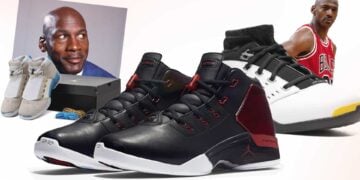

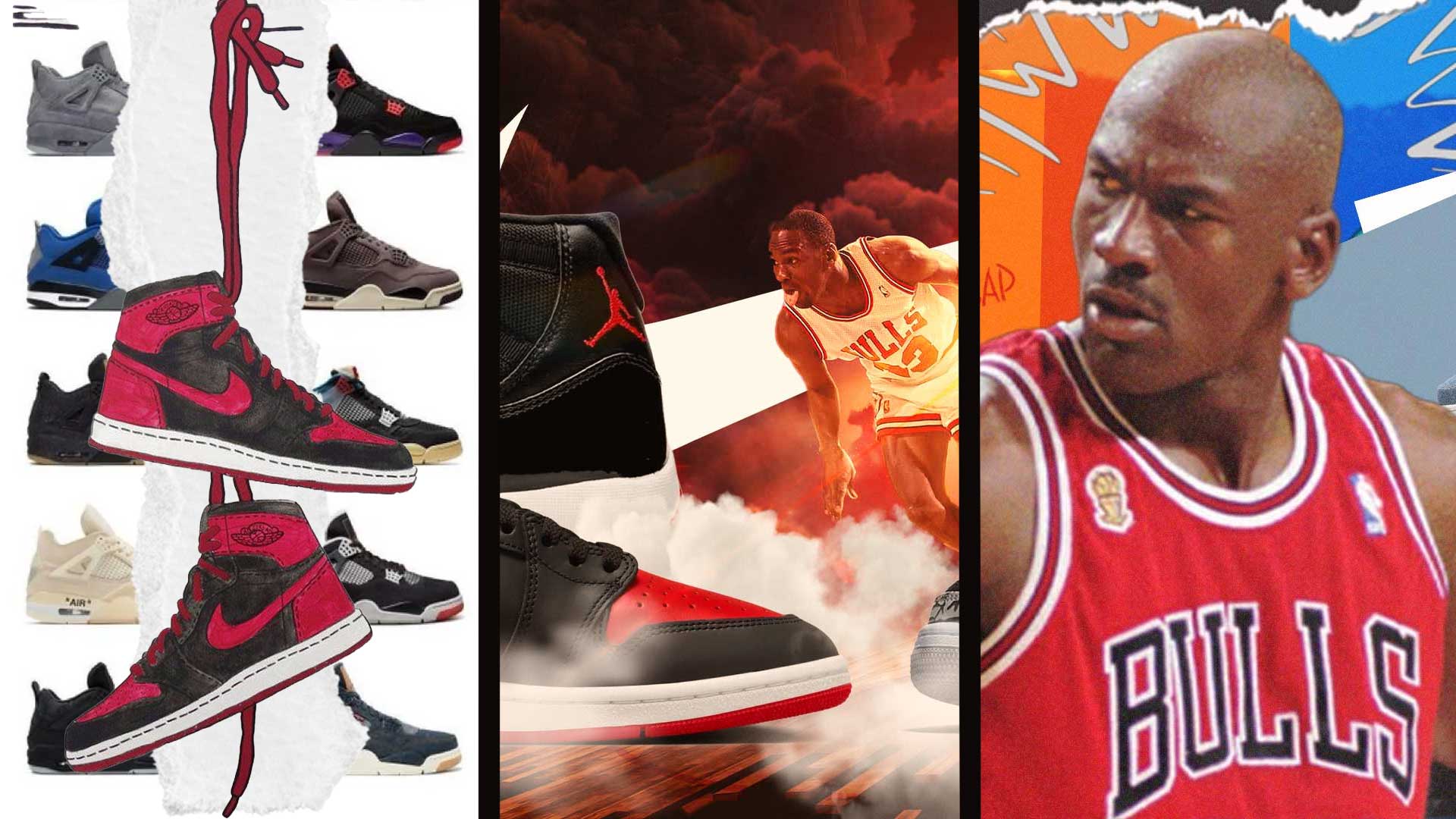


Walk into a sneaker store in early 2026 and it hits you immediately. Walls of Air Jordans. Full-size runs. No security guard managing a line. No raffle anxiety. Just rows of black Nike and Jordan boxes sitting quietly, some with discount stickers slapped across the lid like a clearance confession.
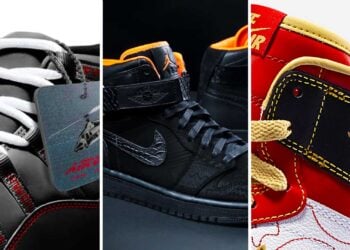
Pop into JD Sports and you’ll see Fire Red 5s still hanging around. Pure Money 3s untouched. Shattered Backboards not exactly shattered from demand. UNC Reimagines marked down weeks after release. These are the same types of drops that, five years ago, would’ve crashed apps and caused parking lot arguments.
Head to an outlet and it’s even louder. A Ma Maniére Air Jordan 4s in full size runs. Jordan 1 Low Obsidians discounted. Royal Reimagines pushed to the back wall. UNC colorways everywhere. That’s not a minor dip. That’s a reset.
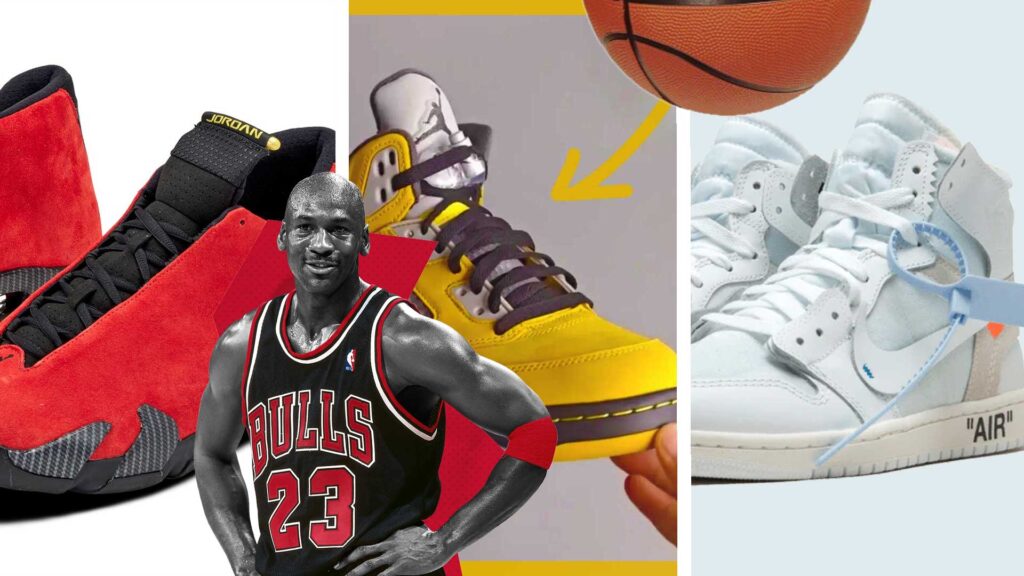
The 2020 and 2021 sneaker boom messed with everyone’s expectations. Every retro felt like a guaranteed win. Reselling wasn’t a hustle, it was a personality trait. People bragged about “cooking” on release day. If it had a Jumpman, it moved. Not because you loved it, but because someone else would. When resale floors collapsed, the illusion collapsed with them.
By 2026, most resellers had vanished. Some flipped to Pokémon cards. Others chased Labubu figures. A few stayed, just smaller and quieter. The easy money left, and so did the urgency.
Prices didn’t help. Retros creeping past $200 sting more in this economy. Add uneven leather cuts, stiff soles and glue stains, and frustration builds fast. Paying more for less never sits well.
Meanwhile, retro sneakers are thriving. Just not always from Jordan Brand. Adidas can’t keep Sambas on shelves. New Balance dominates with late ’90s runners. ASICS turned archived models into everyday staples. Comfort wins. Post-Covid, people want shoes they can wear all day. Crocs and Hoka surged in 2025 because nobody wants to suffer for style.
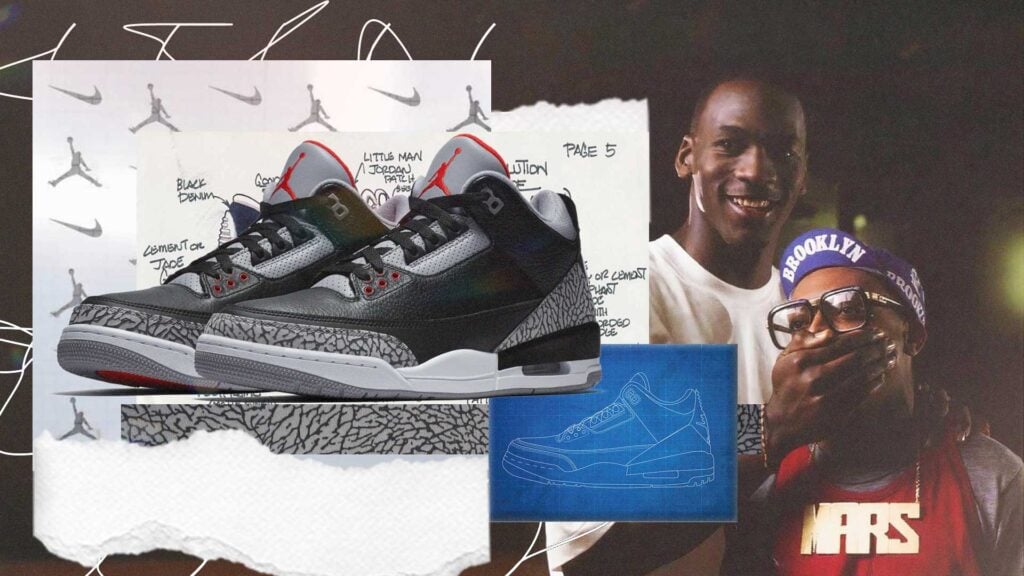
Retro Jordans were built for 1980s hardwood, not 12-hour shifts. The Air Jordan 11 still pulls crowds. The recent Gamma drop proved that. But one silhouette can’t carry a brand.
Oversupply plays its part too. Too many Air Jordan 1s. Too many 4s. Too many colorways dropping back-to-back. When everything feels limited, nothing feels special.
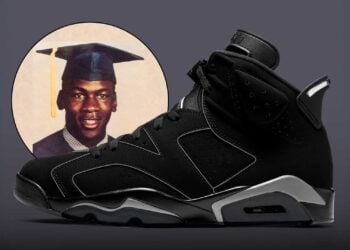
Still, writing Jordans off would be reckless. This is a brand tied to Michael Jordan, now 63, whose legacy got a second wind in 2020 when Netflix’s The Last Dance pulled in millions and reminded a new generation why he mattered. The shoes carry that history. They’ve survived for over 40 years.
Right now, shelves are full because buyers are experimenting. They’re choosing comfort. They’re choosing variety. Jordan Brand still matters. It’s just no longer the only option in the room.
RELATED: Teyana Taylor’s Air Jordan 3 Is Unlike Anything Jordan Brand Has Released Before